
Getting it Right: Leveraging AI for Nonprofit ABM
For nonprofits seeking to grow corporate support, integrating AI into the account-based marketing (ABM) process can significantly accelerate progress and help ensure meaningful results.
This is the first post in a series on how nonprofits can use AI to help build stronger relationships with corporate partners. See also Let AI Do the Heavy Lifting: Outside-in Messaging for ABM for practical ideas on doing the research, drawing the connections, and drafting personalized messages, and From Prospect to Partner: How AI-driven Clustering Changes Nonprofit ABM on finding the right people and affiliations at good-fit companies.
According to Salesforce’s Nonprofit Trends Report, 7th Edition, more than half of nonprofits globally (55%) are using or piloting AI – and not just for writing donor emails! Resource-constrained organizations are increasingly turning to AI for data analytics, workflow automation, service delivery support, and a lot more, as their knowledge and capabilities evolve.
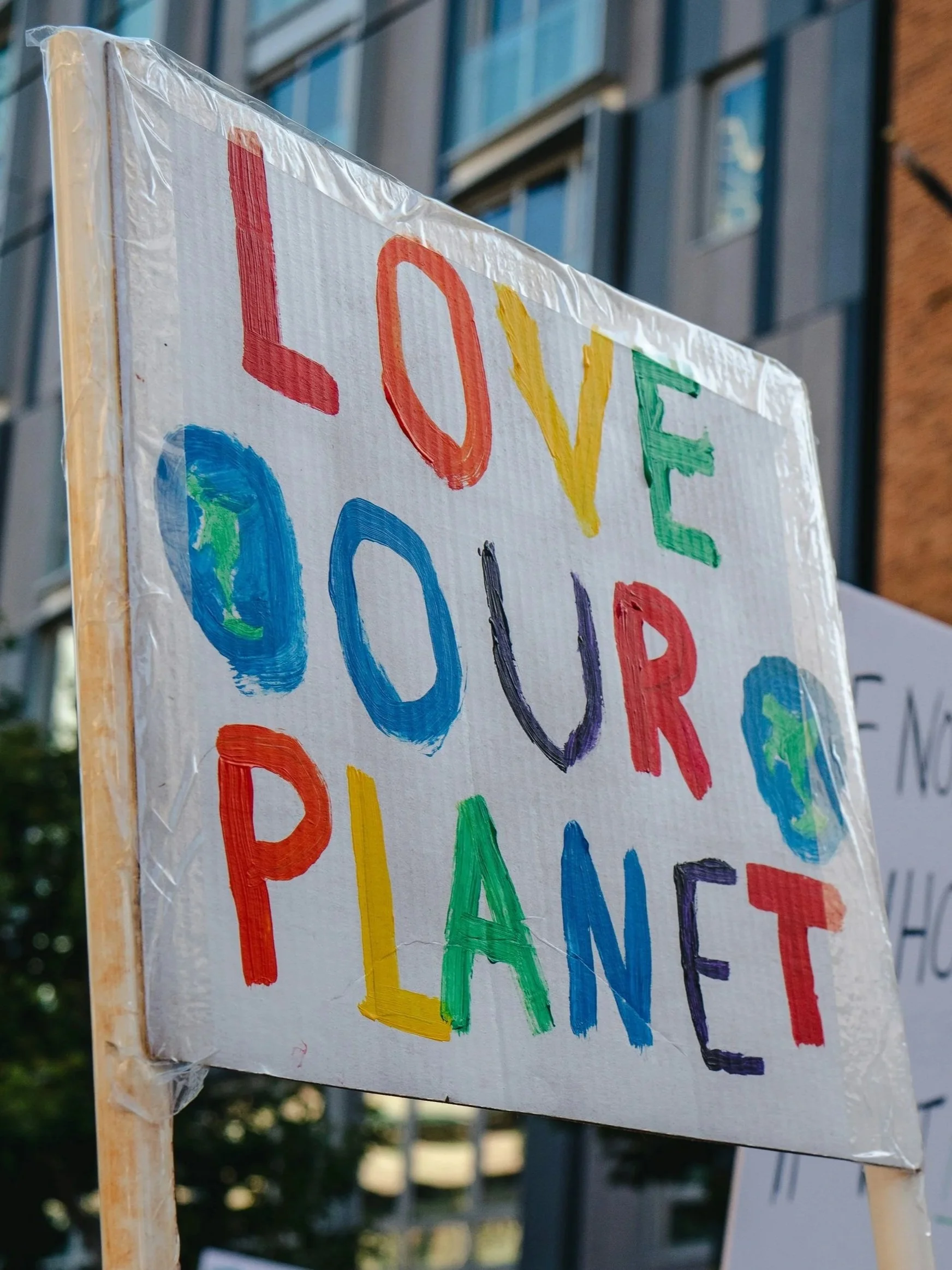
Photo by Ronan Furuta on Unsplash
For nonprofits seeking to grow corporate support, integrating AI into the account-based marketing (ABM) process can significantly accelerate progress and help ensure meaningful results.
While large companies that pioneered ABM can deploy dedicated teams and enterprise technologies to target their most important accounts, nonprofits typically lack those resources. AI is beginning to change that. Today, small- and medium-sized nonprofits can implement ABM programs with far fewer resources – but success still depends on a strong foundation in ABM principles. That’s where ABM for Good helps guide organizations in applying AI effectively.
In a recent ABM for Good project, AI proved to be a powerful accelerator – saving hundreds of hours and fast-tracking the client’s growth strategy. It enabled us to focus on reaching the right organizations, the right individuals, in the right sequence, with the right messages.
The Right Organizations
A critical first step in any nonprofit ABM program is identifying priority sponsors and partners. With limited resources, every outreach effort must count.
In this case, our goal was to identify and segment 100 high-potential partners and donors to support highly targeted campaigns.
We began by defining a core set of criteria and using AI to generate an initial list of hundreds of potential organizations. We then layered in traditional ABM attributes – such as industry, size, mission alignment, and funding capacity – to qualify the highest potential prospects. AI was used to score and rank each organization against these criteria.
Within minutes, we produced a detailed dataset with rankings, tiers, and segmentation options.
With human review and refinement, we iterated to ensure the best possible fit with the nonprofit’s mission and priorities. The entire process took less than 40 hours over several days, compared to well over 100 hours and several weeks using traditional approaches.

Photo by Scott Graham on Unsplash
The efficiency gains were significant, but human judgement remained essential.
The Right People and Sequence
With a prioritized account list in place, we used AI to go deeper – identifying key decision-makers, mapping relationships, and designing a sequenced outreach plan spanning six to eight weeks.
As ABM for Good advisor Marlowe Fenne noted, “Over the past twenty years, companies with mature ABM programs have relied on expensive, often siloed, enterprise tools to uncover networks and connections. With AI, we were able to leapfrog that entire process by integrating an immense number of detailed signals to surface relationship pathways and create account clusters that would have been almost impossible to identify otherwise.”
The RIght Messaging
Having defined target organizations, individuals, and sequencing, we turned to content development – one of the most widely adopted AI use-cases. However, the strength of ABM lies in the foundation. With robust account-level insight, AI can generate far more relevant and compelling messaging, tailored to the specific priorities of each organization and individual.
This includes:
More personalized storylines
Stronger subject lines
Clearer, more compelling calls to action
Most importantly, effective ABM messaging starts with what matters most to the recipient - not what the organization wants to promote. It is built from the outside in.
The Right Way Forward
ABM is fundamentally relationship-driven, and human connection remains essential.
After establishing strategy – including target accounts, stakeholders, sequencing, and messaging – the ABM for Good team stepped back, enabling the nonprofit's team to lead execution. As the relationship owners, they are best positioned to engage and build trust.

Photo by LinkedIn Sales Solutions on Unsplash
Reflecting on the project, ABM for Good advisor Robin Tobin noted: “Our job was to take what this organization already knew about their values, relationships, and priorities and translate that into a structured ABM strategy – then use AI to scale and sharpen it far beyond what would have been possible manually. We didn't start from scratch; we started from what they already had and built from there. As a small organization ourselves, that's exactly the kind of leverage we need to help more nonprofits move faster and make more of an impact.”